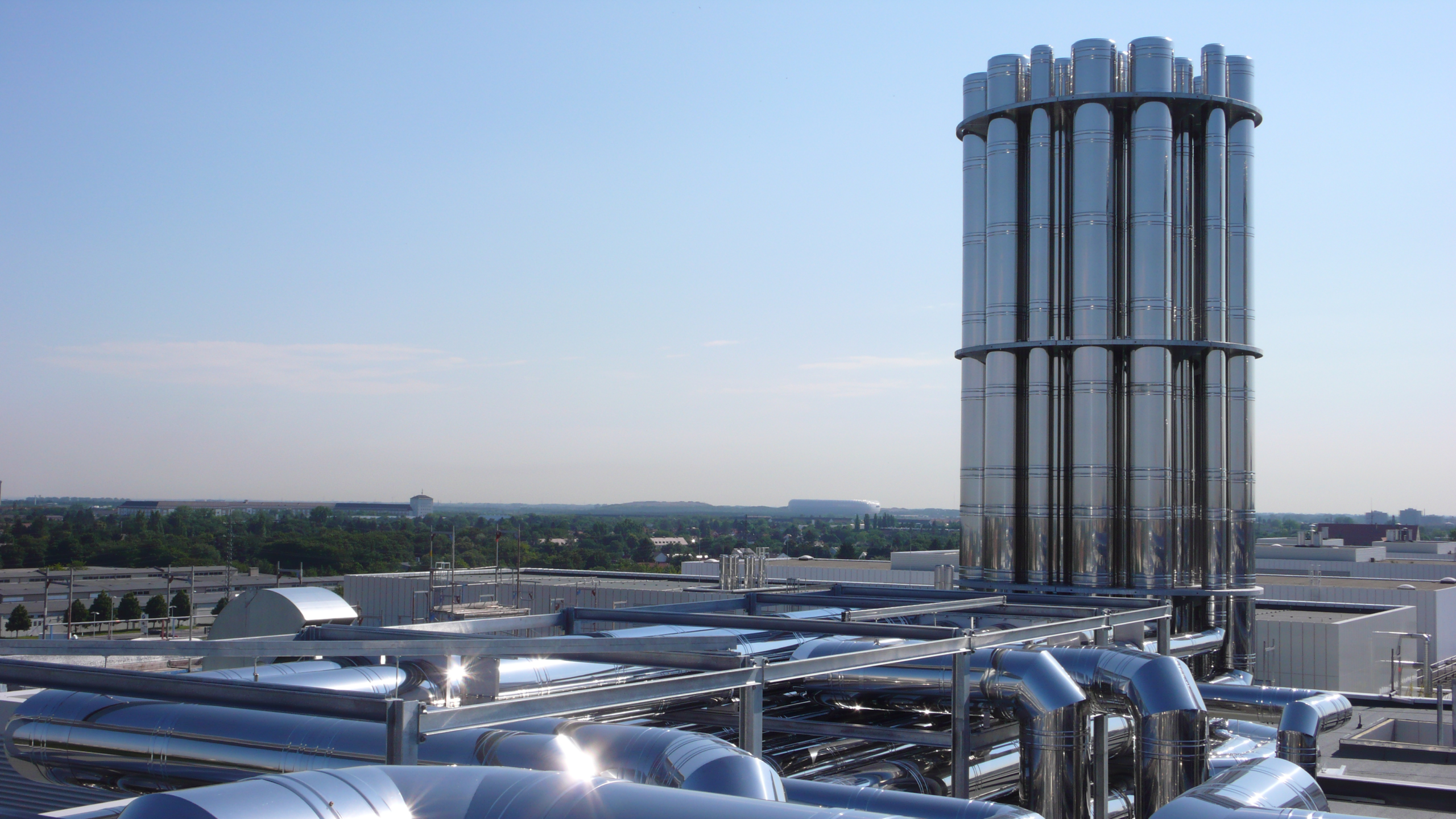
High Pressure Flue Systems for Energy Applications
In today’s energy sector, efficiency, safety, and reliability are essential factors in any thermal or industrial installation. As technologies continue to evolve and regulations become increasingly strict, the demand for flue systems capable of withstanding extreme conditions is also growing. In this context, High pressure flue systems have become an essential solution for high-performance energy applications.
Flue systems are not only responsible for safely removing combustion gases from a building. They also play a crucial role in operational safety, energy efficiency, and the overall durability of the installation. When it comes to industrial applications, energy plants, generators, or high-capacity condensing systems, technical requirements become significantly more demanding. This is where high-pressure systems truly make a difference.
What is a High-Pressure Flue System?
A high-pressure flue system is specifically designed to operate in installations where combustion gases circulate under positive pressure. Unlike traditional natural draft systems, these solutions must withstand much more demanding conditions, including high temperatures, corrosive condensates, and elevated pressures generated by modern combustion equipment.
Twin-wall systems also provide superior thermal insulation, reducing heat loss and improving the external safety of the installation. Thanks to their design, they maintain the correct flue gas temperature, preventing unwanted condensation and optimizing the overall performance of the system.
These types of solutions are commonly used in energy applications such as:
- Industrial condensing boilers
- Combined heat and power (CHP) plants
- Industrial generators and engines
- Large-scale HVAC systems
- Commercial energy installations
- Industrial processes with high thermal demands
The Importance of High-Pressure Resistance
In many modern applications, especially those using condensing equipment, combustion gases are expelled through mechanical fans. This creates positive pressure inside the flue system, meaning the installation must guarantee complete airtightness.
A system that is not designed to withstand these conditions may suffer from leakage, reduced efficiency, or even serious safety risks for both people and buildings. For this reason, high-pressure flue systems are engineered and certified to ensure optimal performance even in the most demanding environments.
In addition to pressure resistance, these systems must also withstand:
- High temperatures and constant thermal changes
- Acidic condensates produced by modern fuels
- Corrosion in industrial environments
- Mechanical stresses caused by tall or complex installations
The combination of these features ensures a durable, safe, and efficient long-term solution.
Twin-Wall Systems: Efficiency and Safety
Twin-wall technology offers significant advantages compared to conventional solutions. This design incorporates an insulating layer between the inner and outer wall, improving both thermal performance and installation safety.
Among the main benefits are:
1. Improved Energy Efficiency
The insulation helps maintain the temperature of combustion gases throughout the entire flue route. This promotes more stable draft conditions and reduces the risk of premature condensation, optimizing the performance of energy equipment.
2. Enhanced Safety
By lowering the external surface temperature, twin-wall systems minimize the risk of accidental contact and improve safety in industrial and commercial installations.
3. Strength and Durability
Typically manufactured from high-quality stainless steel, these systems are designed to withstand aggressive environments and extreme operating conditions. Their excellent corrosion resistance significantly extends the lifespan of the installation.
4. Installation Flexibility
Modular systems can adapt to different architectural and industrial configurations, making them suitable for both new installations and renovation or expansion projects.
Increasingly Demanding Energy Applications
The growth of more efficient energy technologies is driving higher demand for technically advanced flue systems. Equipment such as high-capacity condensing boilers or CHP systems require solutions specifically designed to operate under pressure and manage high levels of condensation.
In addition, European regulations related to energy efficiency and emissions reduction are forcing many companies to modernize their installations. In this scenario, choosing the right flue system is no longer just a technical matter — it is also a strategic decision.
A certified and properly designed flue system can help to:
- Improve overall installation efficiency
- Reduce operational and maintenance costs
- Ensure regulatory compliance
- Increase system safety and reliability
- Optimize long-term energy performance
The Importance of Choosing Certified Solutions
In industrial and energy applications, working with certified products is essential. High-pressure flue systems must comply with strict quality and safety standards to guarantee reliable performance under extreme conditions.
Certifications ensure key aspects such as:
- Airtightness under positive pressure
- Thermal resistance
- Resistance to corrosive condensates
- Structural safety
- Compatibility with different fuels and technologies
Furthermore, working with specialized manufacturers provides confidence and peace of mind for engineers, installers, and building owners alike.
Ready for the Future of Energy
The transition toward more sustainable and energy-efficient systems will continue to drive the evolution of flue technologies. High-pressure twin-wall systems represent a future-ready solution capable of meeting both current and upcoming industry challenges.
The combination of safety, efficiency, durability, and adaptability makes these systems a key component in modern high-performance installations. Whether in industrial, commercial, or energy applications, investing in a high-quality flue system means investing in long-term reliability and performance.
In an environment where every technical detail matters, having a chimney system designed to withstand extreme conditions makes the difference between a standard installation and one that is fully prepared for the energy demands of the future.