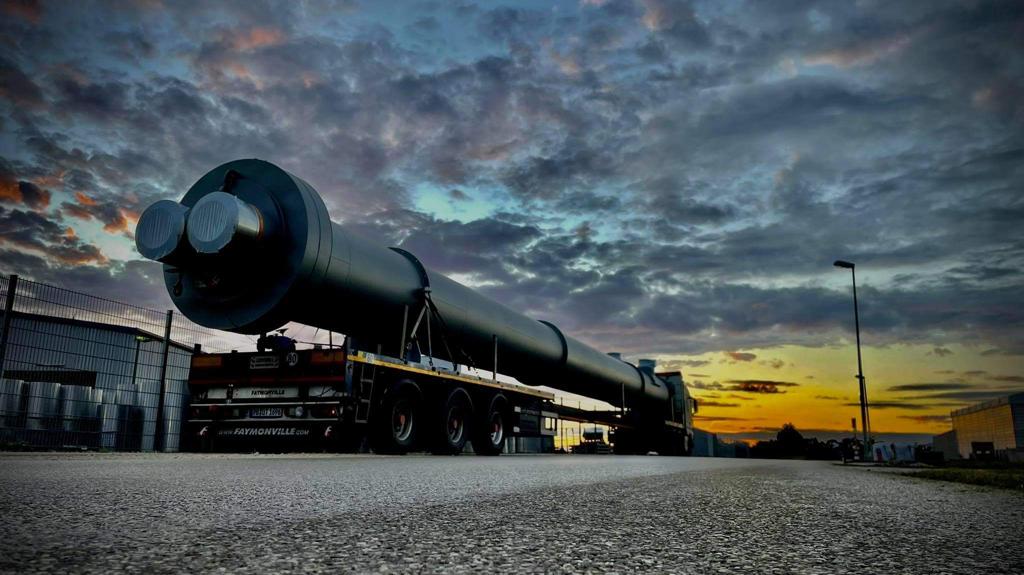
Freestanding Industrial Stacks: Designed for Performance
In modern industrial infrastructure, chimney systems are no longer viewed as simple exhaust components. Today, freestanding industrial stacks play a critical role in operational efficiency, structural safety, environmental compliance, and long-term plant performance. As industries across the UK continue to modernise energy systems and manufacturing facilities, the demand for high-performance freestanding stacks has grown significantly.
From energy centres and CHP plants to manufacturing sites and industrial processing facilities, engineers and project developers require solutions that combine durability, structural integrity, and efficient flue gas management. This is where Jeremias stands out — delivering advanced freestanding industrial stack systems designed to meet both technical and architectural requirements.
What Are Freestanding Industrial Stacks?
Freestanding stacks are self-supporting chimney systems specifically engineered to stand independently without requiring lateral support from surrounding buildings or structures. Unlike wall-supported chimneys, these systems are designed to withstand external forces such as wind loads, thermal expansion, vibration, and seismic activity through their own structural framework.
Typically used in industrial and energy applications, freestanding stacks are ideal for installations where flexibility, height, and independent structural performance are essential. They can be designed in single-flue or multi-flue configurations depending on project requirements.
Modern freestanding chimney systems must not only transport exhaust gases safely and efficiently but also comply with strict structural and environmental regulations. This makes engineering expertise a fundamental part of every successful stack project.
Structural Design: The Foundation of Performance
The performance of a freestanding stack begins with its structural design. Every installation presents unique challenges based on location, building layout, environmental exposure, and operational conditions.
One of the most important considerations in stack engineering is wind load analysis. Tall chimney structures are constantly exposed to dynamic wind forces that can create oscillation and vibration. Without proper structural calculations, these forces can compromise system stability and long-term reliability.
Jeremias applies advanced structural engineering principles to ensure every freestanding stack is optimised for maximum stability and durability. Using detailed wind load calculations and site-specific engineering assessments, systems are designed to perform safely under demanding operational conditions.
Thermal expansion is another critical factor. Industrial stacks operate under high temperatures, often with continuous fluctuations during plant operation. Proper expansion management prevents stress damage, protects joints and connections, and extends the lifespan of the entire chimney system.
By integrating structural analysis with thermal and operational requirements, Jeremias delivers chimney solutions that balance engineering precision with long-term performance.
Why Freestanding Stacks Matter in Industrial Projects
Industrial facilities today face increasing pressure to improve efficiency while meeting strict environmental and safety standards. Freestanding stacks contribute directly to these objectives in several ways.
1. Operational Reliability
A well-designed stack system ensures safe and efficient evacuation of flue gases. Poorly designed systems can lead to pressure issues, condensation problems, or insufficient draft performance, ultimately affecting plant efficiency.
Freestanding stacks engineered by Jeremias are designed to optimise flue gas flow while maintaining structural integrity over decades of operation.
2. Design Flexibility
Freestanding systems provide greater installation flexibility compared to wall-supported alternatives. They can be positioned independently within industrial sites, making them suitable for retrofit projects, energy centres, and facilities with complex layouts.
This flexibility is particularly valuable in urban environments and constrained industrial sites where structural integration with existing buildings may not be feasible.
3. Long-Term Durability
Industrial chimney systems are exposed to harsh environmental conditions, including temperature fluctuations, corrosion, and weather exposure. Material quality and engineering precision therefore become essential.
Jeremias uses high-grade stainless steel systems engineered for durability, corrosion resistance, and reduced maintenance requirements. This helps minimise operational downtime and lowers lifecycle costs for plant operators.
4. Compliance and Safety
UK industrial projects must comply with strict regulations covering emissions, structural safety, and operational performance. Freestanding stacks require careful engineering to ensure compliance with Eurocodes and relevant British standards.
Jeremias provides turnkey chimney solutions that integrate structural calculations, engineering support, and certified manufacturing processes to ensure every installation meets regulatory requirements.
Turnkey Solutions for Complex Projects
One of the key advantages of working with Jeremias is the ability to provide complete turnkey solutions for industrial stack projects.
Large-scale chimney installations often involve multiple disciplines, including structural engineering, thermal design, installation logistics, and project coordination. Managing these elements separately can create delays, inefficiencies, and unnecessary complexity.
Jeremias simplifies the process by offering integrated project support from initial design through to final installation. This includes:
- Structural engineering calculations
- Wind load and stability analysis
- Custom stack design
- Manufacturing and quality control
- Installation support
- Project management assistance
This comprehensive approach helps clients reduce risk while ensuring optimal system performance.
Engineering for the Future
As industries continue transitioning towards cleaner energy systems and more efficient industrial processes, chimney system design is evolving rapidly. Energy centres, biomass plants, hydrogen-ready systems, and CHP installations all require increasingly sophisticated exhaust solutions.
Freestanding stacks must now meet not only structural and operational demands but also aesthetic and sustainability considerations. Modern industrial architecture often requires chimney systems that integrate visually with surrounding environments while maintaining high technical performance.
Jeremias combines engineering expertise with innovative design capabilities to deliver chimney systems prepared for the future of industrial infrastructure.
Why Choose Jeremias?
With decades of experience in industrial chimney systems, Jeremias has become a trusted partner for complex stack projects across the UK and internationally.
The company’s expertise in freestanding industrial stacks combines:
- Advanced structural engineering
- High-performance stainless steel systems
- Wind load and thermal design expertise
- Turnkey project delivery
- Long-term operational reliability
Whether for industrial plants, energy centres, manufacturing facilities, or CHP applications, Jeremias provides tailored chimney solutions designed to perform under the most demanding conditions.
Conclusion
Freestanding industrial stacks are far more than vertical exhaust systems — they are highly engineered structures where structural design directly impacts operational performance, safety, and longevity.
As industrial projects become more complex and performance expectations continue to rise, choosing the right chimney partner becomes essential. Through advanced engineering, wind load expertise, and turnkey project capabilities, Jeremias delivers freestanding stack solutions that combine structural excellence with long-term reliability.
When structural design meets performance, the result is not simply a chimney system — it is a complete engineered solution built for the future of industry.