District Heating Systems: Reliable Flue Design
As cities across the UK and Europe continue advancing toward decarbonization and energy efficiency goals, district heating systems are becoming a cornerstone of modern urban infrastructure. These centralized energy networks provide heating and hot water to multiple buildings from a single energy center, improving efficiency, reducing emissions, and optimizing long-term operational costs.
However, while attention is often focused on boilers, CHP units, or renewable heat sources, one critical component is frequently underestimated: the flue and chimney system. Reliable flue design is essential for ensuring the safe, efficient, and long-lasting operation of centralized energy plants.
The Growing Role of District Heating
District heating systems are increasingly used in residential developments, hospitals, universities, industrial facilities, airports, and large mixed-use urban projects. Instead of individual boilers installed in each building, heat is generated centrally and distributed through an insulated pipe network.
This approach offers several advantages:
- Improved energy efficiency
- Lower carbon emissions
- Easier integration of renewable technologies
- Reduced maintenance requirements
- Greater energy security for large-scale developments
As governments push for net-zero targets, district heating infrastructure is expected to expand significantly over the coming years. This growth creates new challenges for designers, engineers, and operators—particularly in the area of exhaust and flue gas management.
Why Flue Systems Matter in Centralized Energy Plants
In any combustion-based heating system, flue systems are responsible for safely evacuating combustion gases generated by boilers, CHP engines, biomass systems, or backup generators. In district heating applications, these systems often operate under high thermal loads and continuous operating conditions.
A poorly designed chimney or exhaust solution can result in:
- Reduced system efficiency
- Excessive pressure loss
- Corrosion issues
- Condensation damage
- Noise and vibration problems
- Safety risks for operators and nearby occupants
- Increased maintenance costs
Because district heating systems are expected to operate reliably for decades, flue design must be approached as a strategic engineering element rather than a secondary accessory.
Engineering for High-Capacity Performance
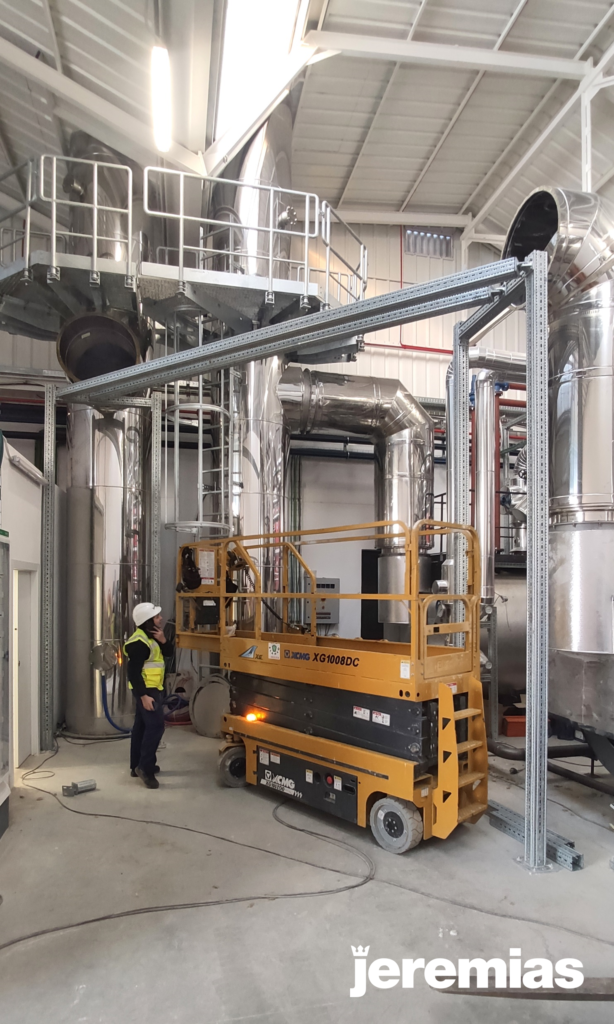
Centralized energy centers frequently require high-capacity exhaust systems capable of handling large volumes of flue gases under demanding operational conditions. These installations may include multiple boilers operating simultaneously, often with varying temperatures and load profiles.
Reliable flue systems must therefore provide:
Thermal Resistance
District heating plants often experience fluctuating temperatures and continuous operation cycles. Flue systems must withstand high temperatures while maintaining structural integrity over time.
Corrosion Protection
Modern high-efficiency boilers can generate condensates containing acidic compounds. Without the correct material selection, corrosion can severely reduce system lifespan. Stainless steel flue systems are commonly used because they offer durability and resistance against aggressive condensates.
Pressure Optimization
Proper pressure management is critical for ensuring efficient combustion and stable boiler operation. Excessive pressure losses can negatively affect performance and increase energy consumption.
Structural Stability
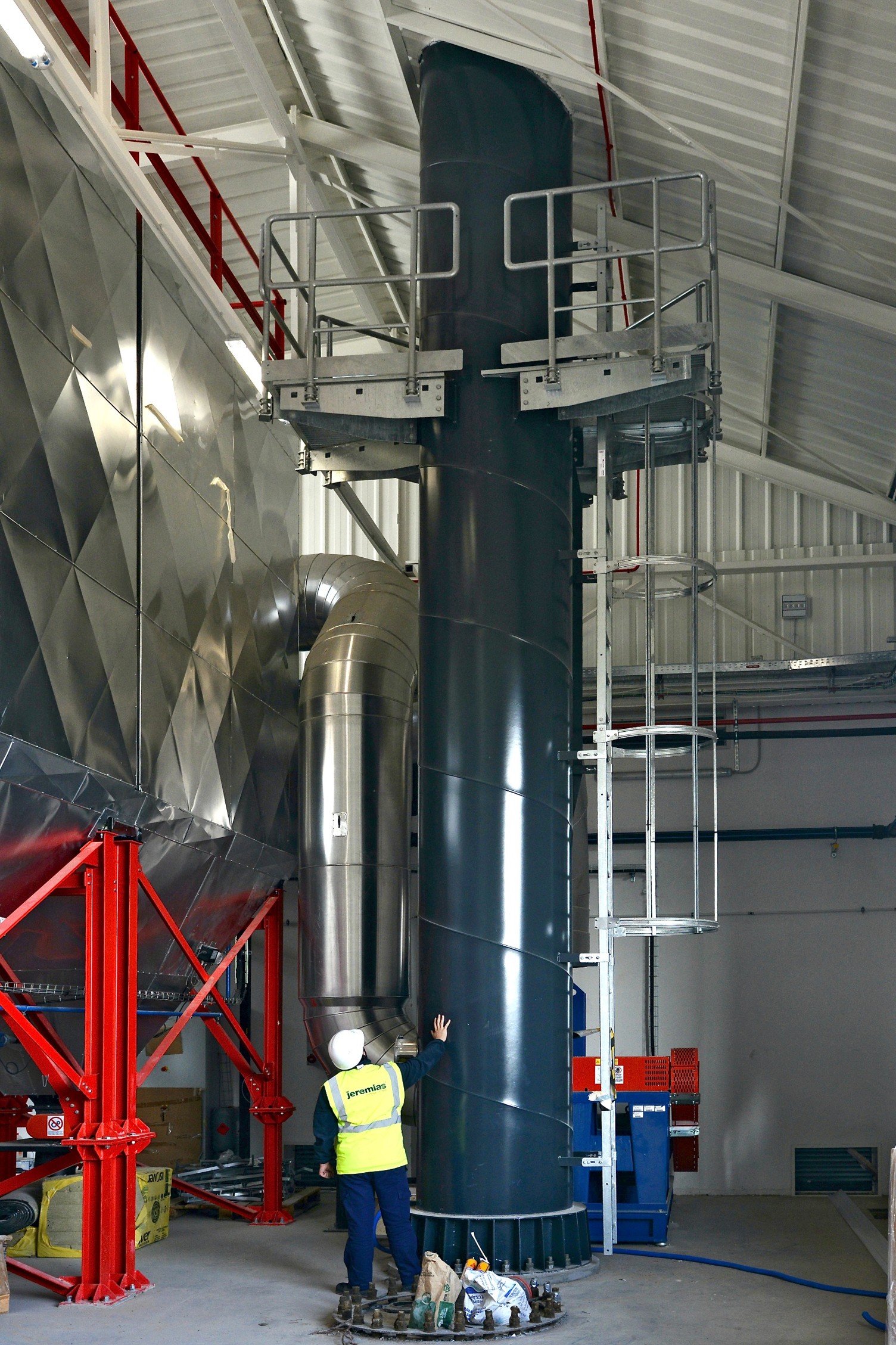
Large-scale energy centers may require very tall chimney systems exposed to wind loads, thermal expansion, and vibration. Structural engineering and support design become essential for long-term reliability and safety.
Supporting Sustainability Goals
Reliable flue systems also play an important role in environmental performance. Efficient exhaust management helps optimize combustion processes and reduce harmful emissions.
As district heating evolves, many systems are integrating renewable and low-carbon technologies such as:
- Biomass boilers
- Combined Heat and Power (CHP) systems
- Hydrogen-ready technologies
- Heat pumps with hybrid backup systems
- Waste-to-energy solutions
These technologies often require highly specialized exhaust solutions adapted to different temperature ranges, condensate conditions, and operational profiles.
A properly engineered flue system ensures these technologies can operate efficiently while supporting broader sustainability and carbon reduction objectives.
The Importance of Long-Term Reliability
District heating infrastructure represents a major long-term investment. Any interruption in operation can affect thousands of residents, businesses, or public facilities simultaneously. Reliability is therefore non-negotiable.
When selecting flue solutions for centralized energy projects, developers and consultants should consider:
- Proven material quality
- Compliance with international standards
- Ease of maintenance and inspection
- Modular installation capabilities
- Long operational lifespan
- Manufacturer technical expertise
Choosing experienced partners with expertise in large-scale exhaust systems can significantly reduce project risks and improve long-term operational performance.
Adapting to Complex Urban Environments
Modern district heating projects are often located in dense urban environments where space limitations, architectural integration, and environmental regulations present additional challenges.
Flue systems may need to address:
- Limited rooftop space
- Height restrictions
- Acoustic requirements
- Visual integration with building architecture
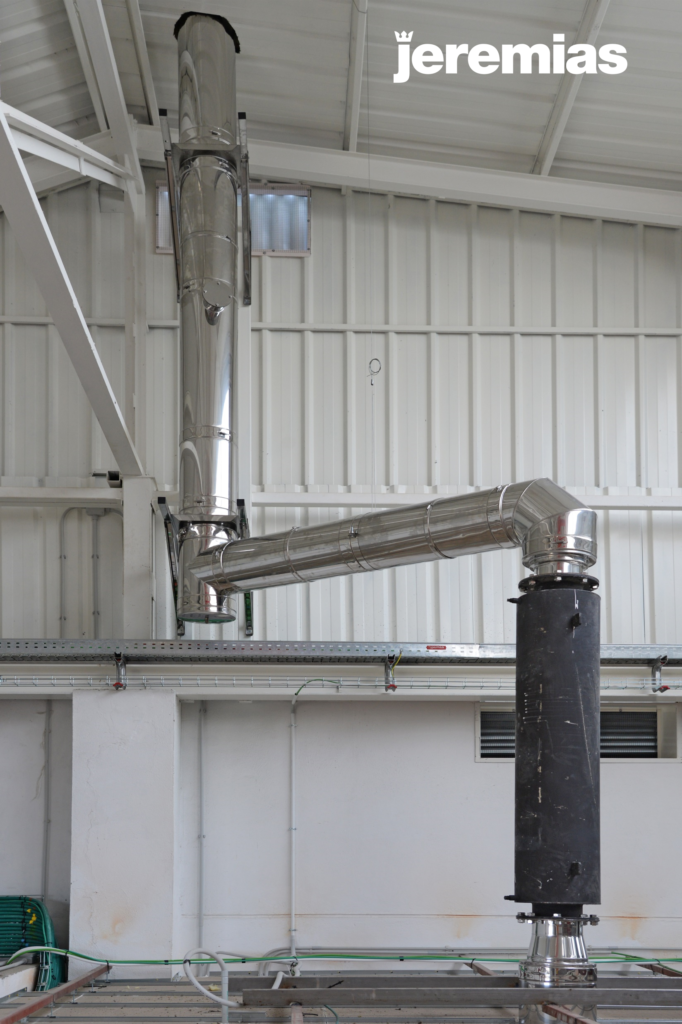
- Complex routing configurations
Custom-engineered chimney and exhaust systems allow designers to adapt to these constraints while maintaining technical performance and safety standards.
Future-Proofing Energy Infrastructure
As energy technologies continue evolving, flexibility is becoming increasingly important. Future district heating systems may transition toward lower-carbon fuels or hybrid energy solutions over time.
This means flue infrastructure must be designed with adaptability in mind. Future-proof systems can accommodate operational changes, fuel transitions, and evolving environmental requirements without requiring complete replacement.
Investing in high-quality flue design today helps ensure district heating infrastructure remains efficient, compliant, and reliable for decades to come.
Conclusion
District heating systems are playing an increasingly important role in the transition toward more sustainable and efficient urban energy infrastructure. While boilers and generation technologies often receive most of the attention, reliable flue design is equally critical to ensuring operational success.
From thermal resistance and corrosion protection to structural stability and emission management, high-performance chimney systems are essential components of modern centralized energy centers.
As cities continue investing in large-scale energy infrastructure, selecting durable, efficient, and future-ready flue solutions will be key to achieving long-term reliability, environmental performance, and energy security.