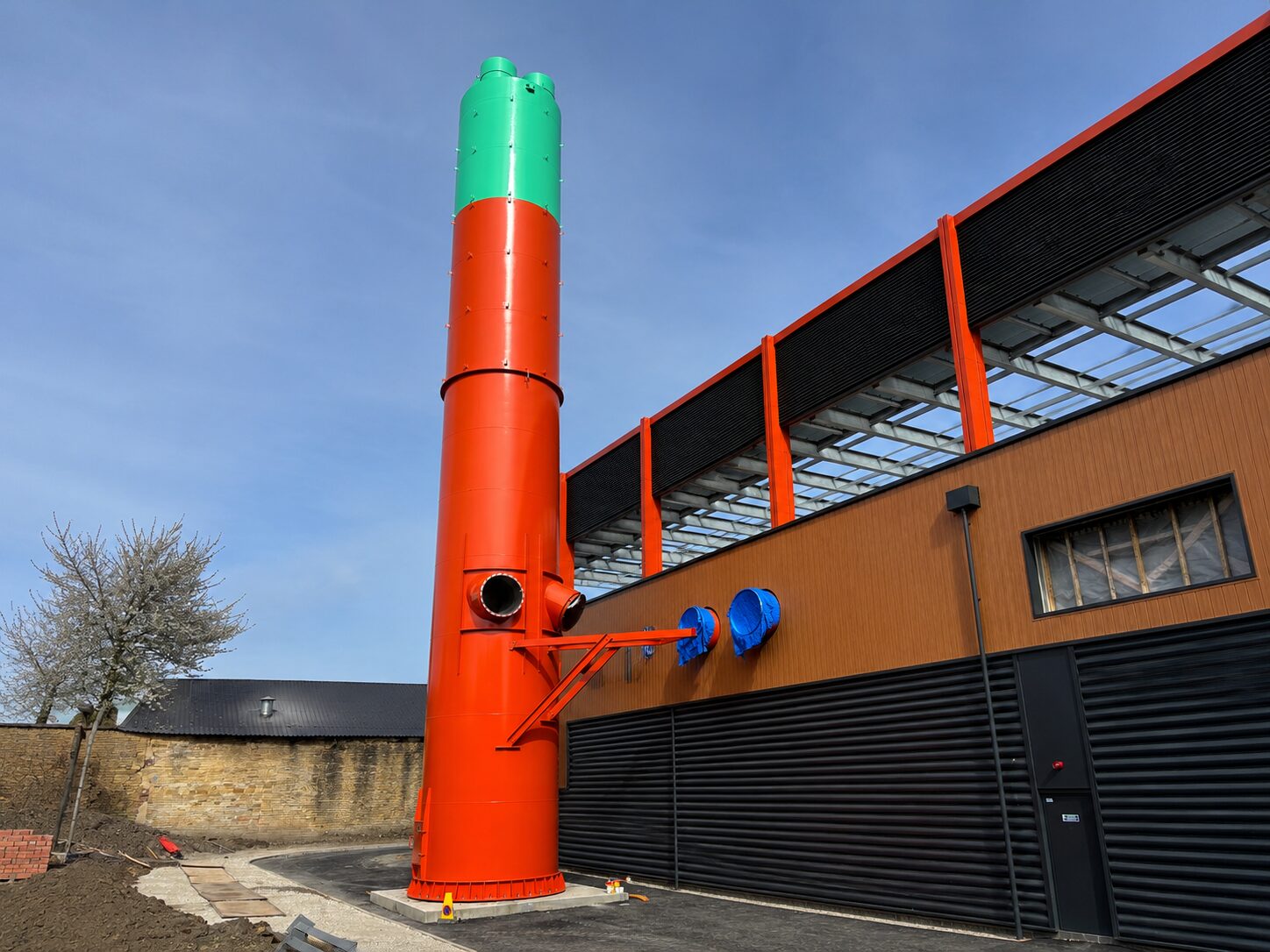
Bradford Energy Network | Supporting Low-Carbon Heating Infrastructure
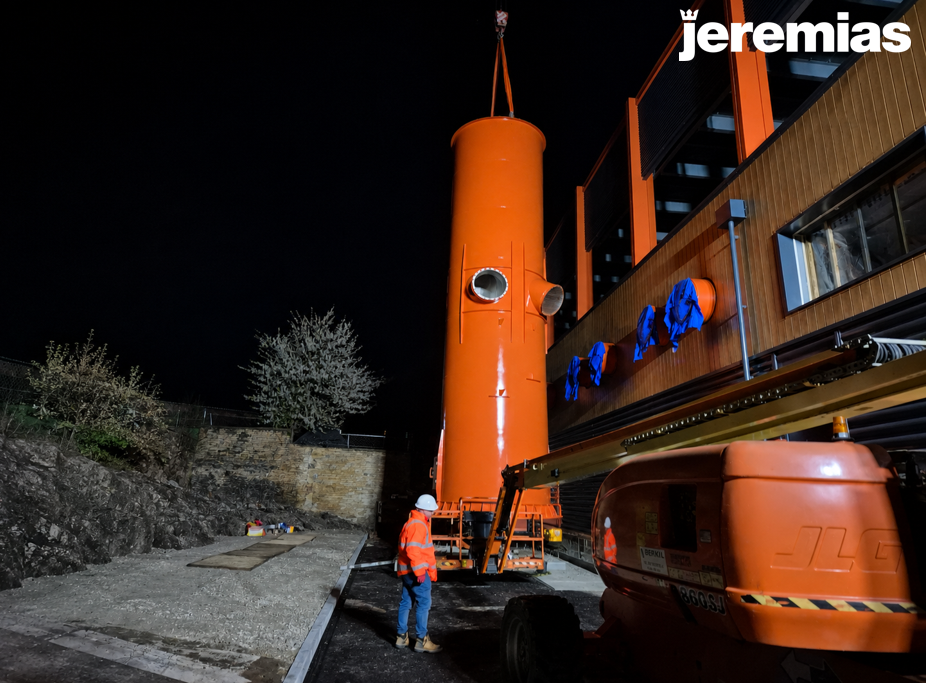
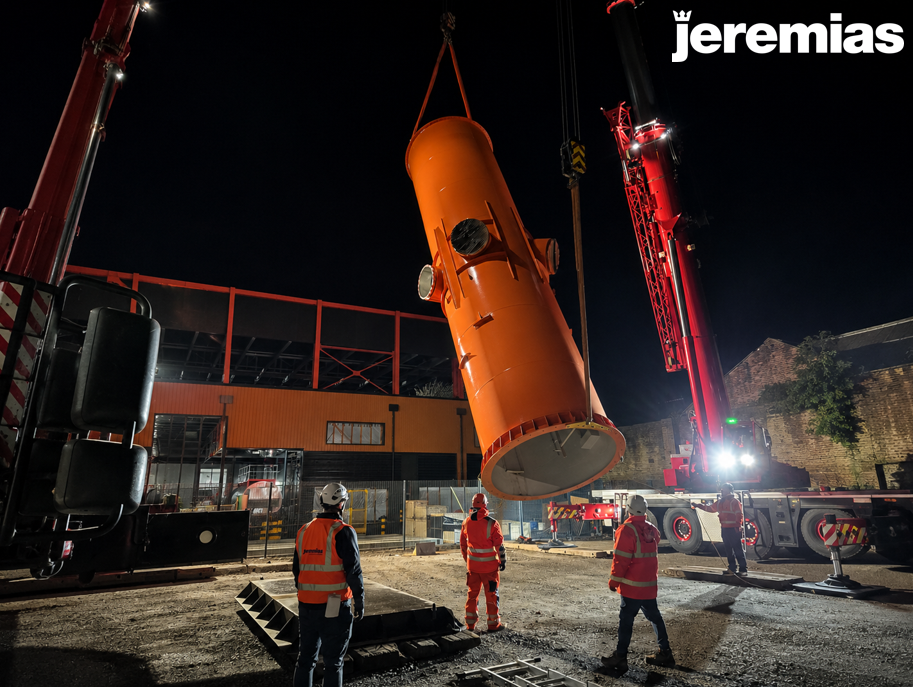
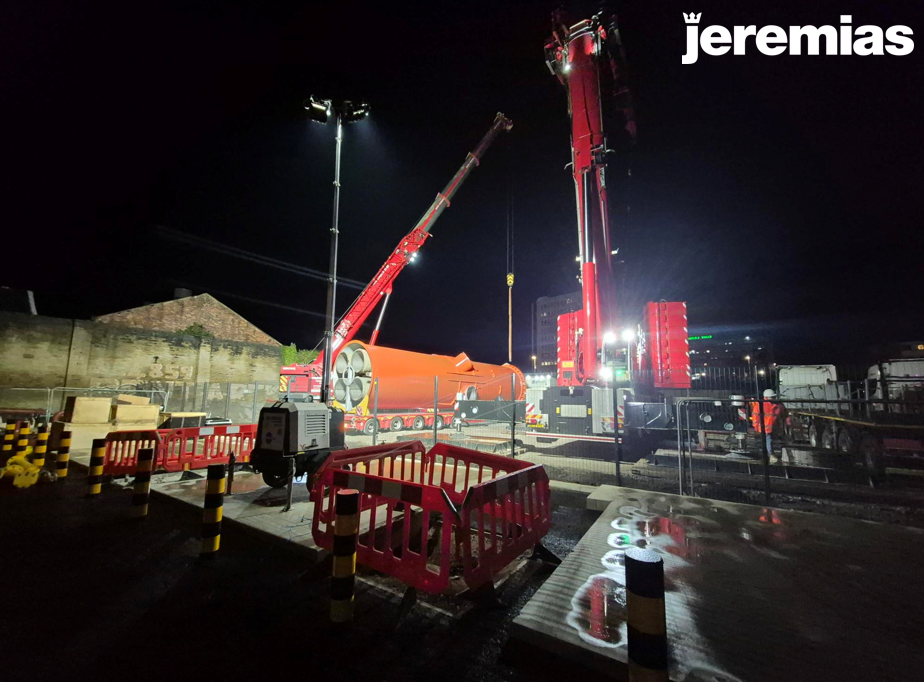
The transition toward cleaner and more sustainable energy systems is accelerating across the UK, with major cities investing in innovative infrastructure designed to reduce emissions and improve long-term energy resilience. One of the most ambitious projects currently underway is the Bradford Energy Network, a landmark district heating initiative that will help transform how heat is generated and distributed throughout the city.
Jeremias is proud to play a role in supporting this important development, contributing specialist expertise and infrastructure solutions during the first phase of installation works at the Bradford Energy Centre.
A Major Step Toward Sustainable Urban Heating
The Bradford Energy Network represents one of the UK’s most significant low-carbon district heating projects. At the heart of the scheme is one of the country’s largest air-source heat pumps, designed to provide sustainable heating across the city while significantly reducing carbon emissions.
Once operational, the network is expected to generate enough low-carbon heat to serve the equivalent of approximately 10,000 homes. This investment marks a major step forward in Bradford’s long-term sustainability strategy and demonstrates the growing importance of district heating systems in the UK’s energy transition.
District heating networks are increasingly recognised as a key solution in decarbonising urban environments. By distributing centrally generated heat through insulated pipe networks to homes, businesses and public buildings, these systems can improve efficiency, reduce energy waste and lower overall emissions compared to traditional individual heating systems.
Projects like the Bradford Energy Network showcase how large-scale infrastructure investment can support both environmental objectives and future energy security.
Supporting Phase 1 Installation Works
As part of the initial installation phase at the Bradford Energy Centre, Jeremias supplied and coordinated the delivery of critical infrastructure components essential to the project’s resilience and operational reliability.
The works involved complex lifting and installation operations, requiring careful planning, specialist handling procedures and close coordination between multiple project stakeholders.
Key activities during this phase included:
- Specialist cranage and lifting operations
- Installation of critical resilience infrastructure
- Detailed planning and onsite coordination
- Support for low-carbon district heating infrastructure
- Safe and efficient project delivery
The resilience equipment installed during this phase is designed to help manage peak demand and ensure long-term reliability across the heating network. Infrastructure of this scale requires precise execution, particularly when working within active construction environments where safety, scheduling and logistical coordination are critical.
A particularly noteworthy aspect of this phase was that key installation activities were carried out during overnight operations. Working at night required meticulous planning, enhanced safety procedures and close coordination between all project partners to minimise disruption and ensure efficient execution. The successful completion of these works outside normal operating hours highlights the expertise, flexibility and commitment of the teams involved, enabling critical infrastructure to be installed safely while maintaining project momentum.
Engineering Coordination and Project Delivery
Successful delivery of complex energy infrastructure projects relies heavily on collaboration between engineering teams, contractors and onsite personnel. Throughout this phase of the Bradford Energy Network installation, close communication and coordination enabled works to be completed safely and efficiently.
From pre-installation planning through to onsite operations, every stage required careful management to ensure lifting activities, equipment positioning and installation procedures were carried out according to strict safety and engineering standards.
Specialist cranage operations formed a key element of the project, supporting the safe movement and positioning of large-scale resilience infrastructure within the energy centre. These operations demand extensive preparation, including lift planning, access coordination, equipment sequencing and risk management.
By working collaboratively across all project teams, the installation phase was completed successfully while maintaining a strong focus on operational safety and efficiency.
The Growing Importance of Low-Carbon District Heating
As the UK continues progressing toward net-zero targets, district heating infrastructure is expected to play an increasingly important role in reducing dependence on fossil fuels and lowering emissions from heating systems.
Heating currently accounts for a significant proportion of carbon emissions across the built environment. Transitioning to low-carbon heat sources such as large-scale air-source heat pumps provides a practical pathway toward cleaner and more sustainable urban energy systems.
The Bradford Energy Network highlights how cities can integrate modern heating technologies into wider decarbonisation strategies. By centralising heat generation and using renewable or low-carbon energy sources, district heating systems can provide long-term environmental and economic benefits.
In addition to reducing emissions, these networks can improve energy resilience by creating more stable and adaptable infrastructure capable of meeting future demand requirements.
Projects of this scale also demonstrate the importance of specialist engineering support throughout all stages of delivery. From logistics and installation coordination to infrastructure integration, every component contributes to the successful implementation of sustainable energy systems.
Supporting the Energy Transition
Jeremias is proud to contribute to projects that support cleaner energy infrastructure and help accelerate the transition toward more sustainable heating solutions.
The successful completion of Phase 1 installation works at the Bradford Energy Centre represents an important milestone within the wider development of the Bradford Energy Network. As the project continues to progress, it will deliver substantial environmental benefits for the city while supporting long-term energy resilience.
Large-scale infrastructure developments such as this require expertise, planning and strong collaboration between all parties involved. By supporting critical installation activities and resilience infrastructure, Jeremias continues to contribute to projects that help shape the future of low-carbon energy across the UK.
The Bradford Energy Network stands as a strong example of how engineering innovation, coordinated project delivery and sustainable infrastructure investment can work together to support cleaner, more efficient urban energy systems for future generations.