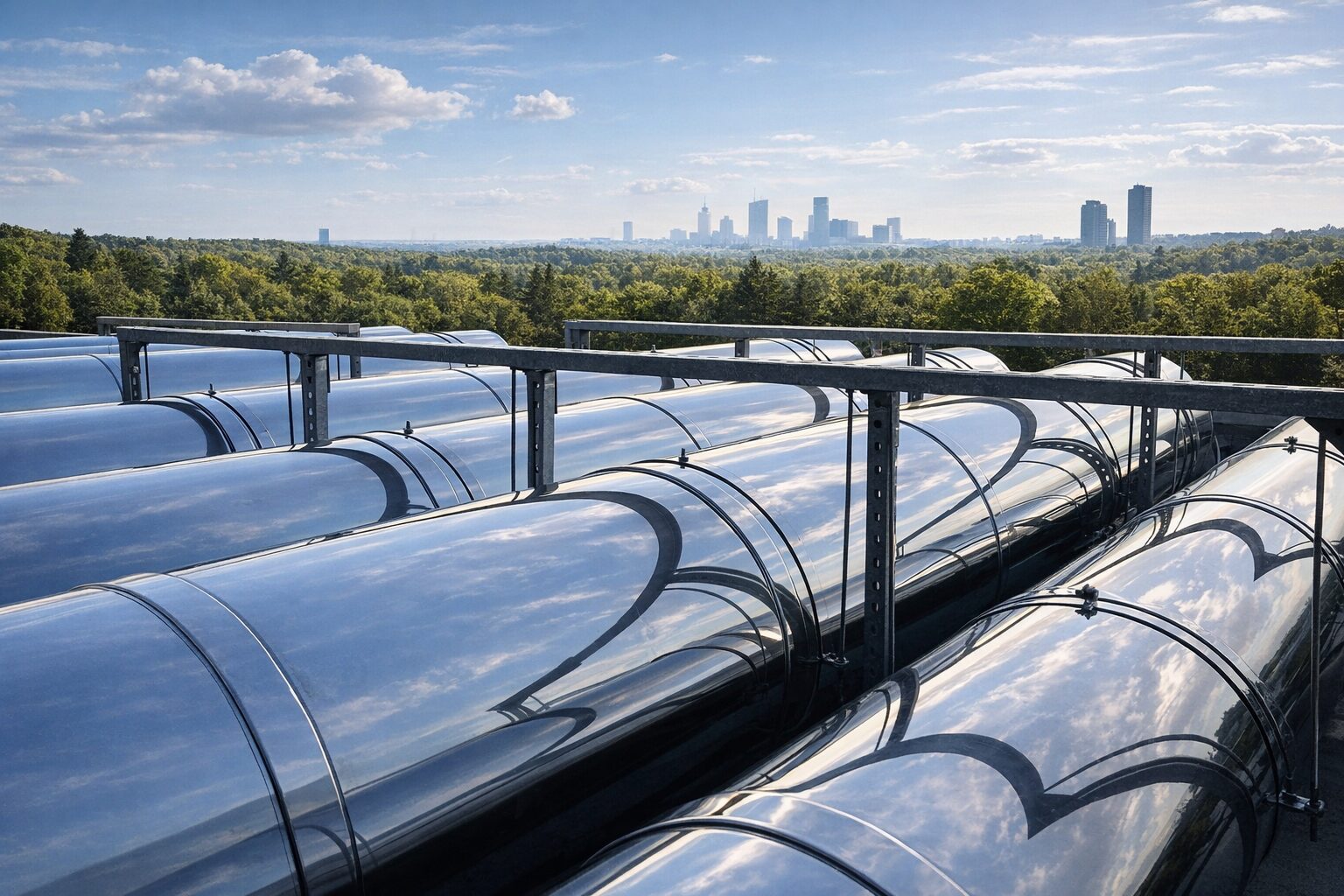
Low-Carbon Flue Systems for Energy Efficiency
In today’s context of energy transition and increasing concern about climate change, efficiency and sustainability have become fundamental pillars for industry. Within this landscape, low-carbon flue systems often overlooked play a critical role in reducing emissions and improving the overall energy performance of industrial and commercial installations. Companies like Jeremias are helping lead this transformation, positioning themselves at the heart of sustainability and energy transition conversations, particularly in demanding markets such as the UK.
The importance of efficiency in flue systems
When discussing energy efficiency, the focus typically falls on equipment such as boilers, HVAC systems, or renewable energy sources. However, flue systems are a vital component that directly impacts the overall performance of these installations. A well-designed chimney system ensures proper gas evacuation, reduces heat loss, and enhances combustion efficiency.
Modern flue systems go beyond basic functionality. They actively contribute to reducing environmental impact by minimising pollutant emissions, improving air quality, and ensuring compliance with increasingly strict regulations. In this sense, they are not just passive components, but key contributors to sustainable system design.
Material innovation: sustainable stainless steel
One of the most significant advancements in this field is the use of sustainable stainless steel in flue system manufacturing. Solutions such as the Blueline range stand out by incorporating over 90% recycled content, significantly reducing the consumption of raw materials and the overall environmental footprint of the product.
In addition to sustainability, these systems offer superior durability, extending their service life and reducing the need for frequent replacements. This approach delivers both environmental and economic benefits, lowering long-term operational costs while supporting circular economy principles.
Reducing carbon footprint
Environmental impact is increasingly measured in terms of carbon footprint. In this context, flue systems manufactured using low-carbon stainless steel can reduce product carbon footprint by up to 50% compared to standard solutions.
This reduction is achieved through a combination of recycled materials, optimised manufacturing processes, and the use of certified green energy. In fact, some manufacturers ensure that 100% of the energy used in production comes from renewable sources, reinforcing their commitment to sustainability and responsible production practices.
Supporting the energy transition
Flue systems also play a key role in enabling the adoption of new energy technologies. As solutions such as hybrid heat pumps, biomass systems, and hydrogen applications become more widespread, infrastructure must evolve to support them effectively.
Modern flue systems are designed with flexibility and adaptability in mind, allowing seamless integration into a wide range of applications. This is particularly relevant in markets like the UK, where decarbonising the building stock is a top priority. Reliable, efficient flue solutions are essential to ensure these new technologies perform safely and efficiently.
Strategic positioning in the market
For companies like Jeremias, investing in sustainability is not just about environmental responsibility—it is also a strategic positioning decision. In a competitive market, being recognised as a provider of efficient, low-carbon solutions opens the door to new opportunities and strengthens brand reputation.
Focusing on energy efficiency and sustainable materials places the company at the centre of industry conversations around decarbonisation and energy transition. This is especially important in advanced markets, where sustainability credentials are increasingly influencing purchasing decisions.
The role of communication and content
Alongside technological innovation, communication plays a crucial role in promoting sustainable solutions. Creating informative and educational content—such as technical articles, videos, and social media posts—helps raise awareness among industry professionals and the wider public about the importance of flue systems in reducing emissions.
Using relevant keywords such as “sustainable steel systems,” “low-carbon chimneys,” and “energy-efficient flue solutions” enhances search visibility and broadens reach. Incorporating multimedia resources, such as explanatory videos, further strengthens engagement and helps communicate complex concepts more effectively.
Conclusion
In a world where sustainability is no longer optional but essential, flue systems are emerging as a key element in reducing emissions and improving energy efficiency. Advances in materials, optimised production processes, and a strong commitment to renewable energy are transforming this sector, delivering solutions that are both high-performing and environmentally responsible.
Companies like Jeremias are at the forefront of this shift, demonstrating that performance, durability, and sustainability can go hand in hand. As the energy transition accelerates, the role of flue systems will only become more significant, establishing them as a critical component in building a cleaner, more efficient future.