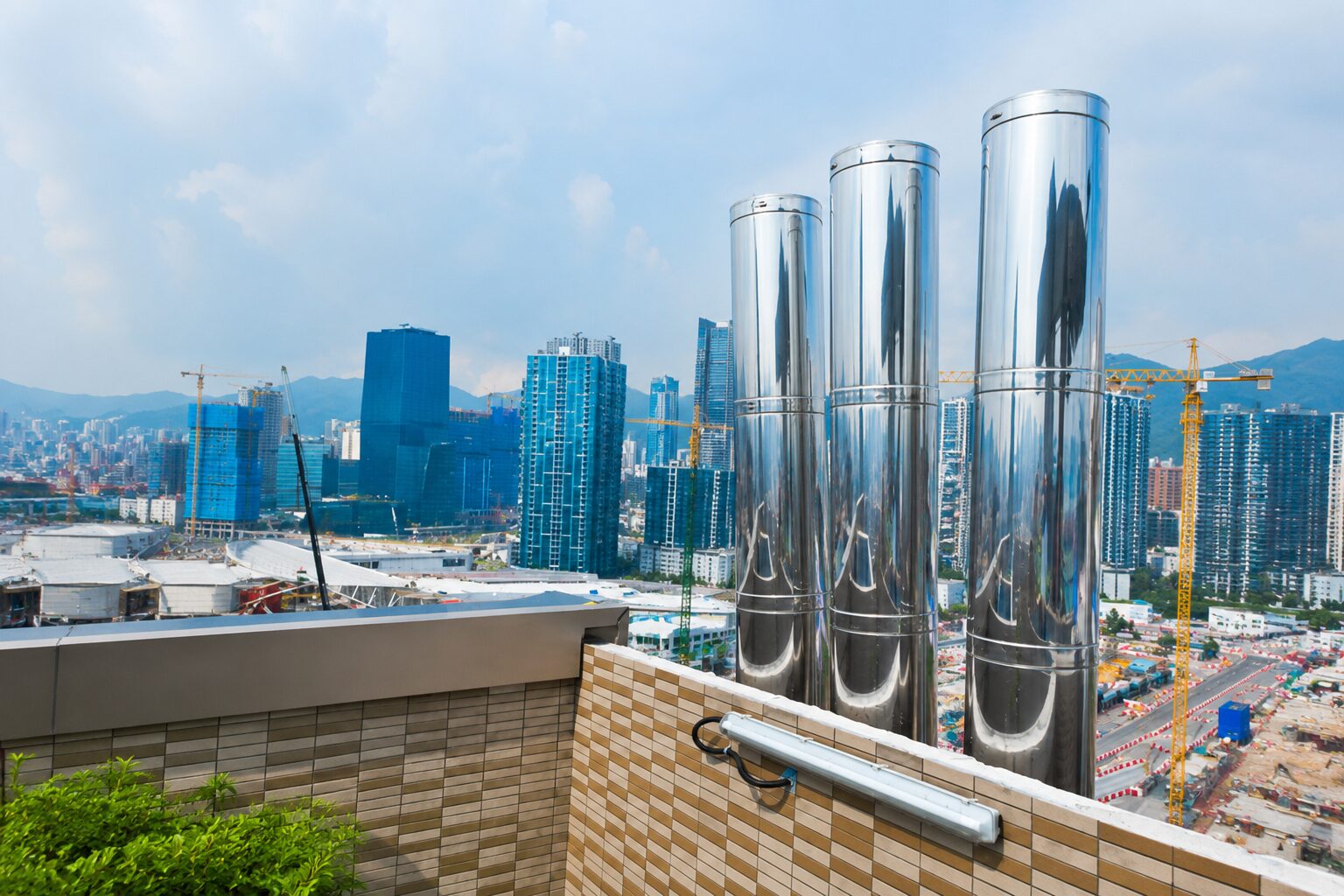
Sustainable Flue Systems: Every Meter of Steel Matters
Sustainable flue systems play an increasingly important role in reducing the environmental impact of modern buildings. While much attention is given to operational energy efficiency, the design and material selection of chimney and flue systems can significantly influence a project’s embodied carbon footprint. By optimising steel usage, extending service life and supporting circular economy principles, sustainable flue systems contribute to a lower-carbon built environment.
At Jeremias, we believe that every meter of steel matters. Intelligent flue system design can help reduce embodied carbon, improve resource efficiency, and extend the lifespan of building systems, supporting sustainability goals throughout the entire project lifecycle.
Looking Beyond Operational Efficiency
For many years, sustainability discussions in the heating and ventilation sector have focused primarily on operational efficiency. While reducing energy consumption remains essential, the construction industry is increasingly recognising the importance of embodied carbon—the emissions associated with the extraction, manufacturing, transportation, installation, maintenance, and disposal of materials.
According to industry studies, embodied carbon can account for a substantial proportion of a building’s total environmental impact, particularly as operational emissions decrease through improved energy performance. This means that material selection and system design decisions made at the beginning of a project are more important than ever.
Flue systems may represent only a fraction of a building’s total materials, but across large commercial, industrial, and residential developments, the cumulative impact of steel usage can be considerable. Choosing the right system can therefore contribute significantly to reducing a project’s carbon footprint.
Why Material Selection Matters for Sustainable Flue Systems
Steel remains one of the most durable and reliable materials for chimney and flue applications. It offers excellent resistance to high temperatures, corrosion, and demanding operating conditions. However, not all steel systems Designed in the same way
The sustainability performance of a flue system depends on several factors:
- The quantity of material required
- The efficiency of the manufacturing process
- Transportation distances
- Durability and expected service life
- Recyclability at the end of use
Selecting a system that uses materials efficiently without compromising performance helps minimise embodied carbon from the outset. Advanced engineering and precise manufacturing allow modern flue systems to achieve the same or better performance with optimised material usage.
At Jeremias, our approach focuses on balancing performance, safety, and sustainability to ensure that every component delivers maximum value throughout its lifecycle.
Designing with Less Material
One of the most effective ways to reduce environmental impact is simply to use fewer resources.
Careful system design can minimise unnecessary material consumption while maintaining compliance with safety and performance requirements. Factors such as chimney diameter, routing, support spacing, and installation methods all influence the amount of steel required for a project.
By working closely with engineers, consultants, and contractors during the design phase, opportunities can often be identified to optimise layouts and reduce overall material demand. Even small reductions in steel usage across a project can translate into meaningful carbon savings.
This principle aligns with the broader sustainability concept of resource efficiency: achieving the desired outcome using the minimum amount of material necessary.
Durability in Sustainable Flue Systems
Sustainability is not only about reducing material use today; it is also about ensuring systems last as long as possible.
A durable flue system reduces the need for replacement, repair, and additional resource consumption over time. Products that can withstand harsh environmental conditions and maintain performance for decades deliver a lower lifetime environmental impact than systems requiring frequent intervention.
High-quality stainless steel flue systems are particularly valuable in this regard. Their resistance to corrosion and thermal stress contributes to long service life, reducing waste generation and lowering the demand for replacement materials.
When evaluating sustainability, the question should not simply be “How much material is used?” but also “How long will this system continue to perform effectively?”
Supporting the Circular Economy
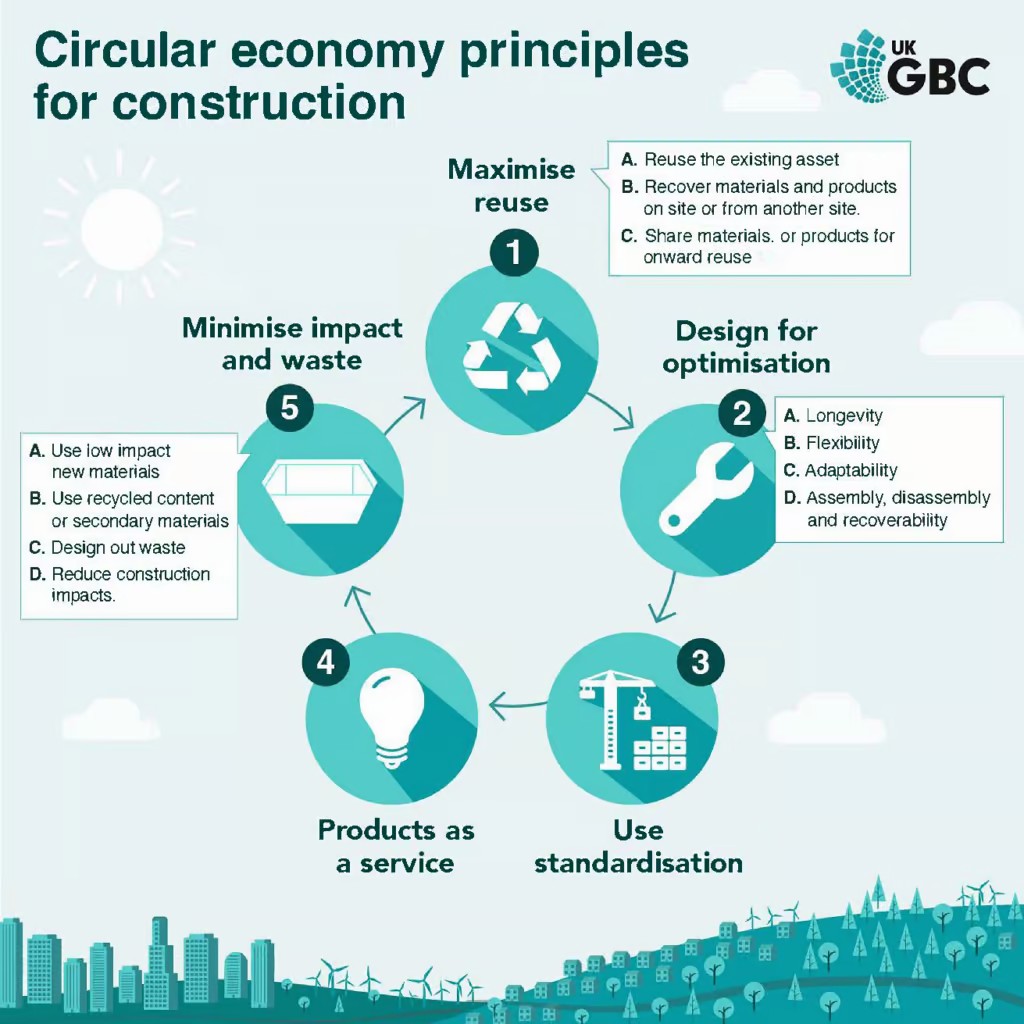
The construction sector is increasingly embracing circular economy principles, which aim to keep materials in use for as long as possible and minimise waste generation.
Steel is uniquely positioned to support this approach because it is one of the world’s most recyclable materials. At the end of a flue system’s operational life, the steel can be recovered, processed, and reused in future manufacturing applications.
This ability to re-enter the production cycle helps reduce demand for raw materials and lowers the environmental impact associated with extraction and processing.
By specifying recyclable materials and designing systems with longevity in mind, project teams can contribute to a more circular and sustainable construction industry.
Sustainability Throughout the Project Lifecycle
The environmental impact of a flue system extends far beyond manufacturing. Every stage of the lifecycle offers opportunities for improvement.
Manufacturing
Efficient production processes and responsible sourcing help reduce emissions before products even leave the factory.
Transportation
Optimised logistics and lightweight designs can lower transport-related emissions by reducing fuel consumption and delivery requirements.
Installation
Modular systems simplify installation, reducing site waste and improving efficiency during construction.
Operation
Properly designed flue systems support the efficient operation of heating equipment, helping buildings achieve optimal performance.
End-of-Life
Recyclable materials and circular design principles ensure valuable resources remain within the supply chain rather than becoming waste.
Considering sustainability across the entire lifecycle provides a more complete understanding of a product’s true environmental impact.
Building a Lower-Carbon Future
As regulations evolve and sustainability targets become more ambitious, building professionals are increasingly looking for solutions that deliver both performance and environmental benefits.
Flue systems may not always be the most visible part of a project, but they play an important role in achieving carbon reduction goals. Intelligent design, efficient material usage, long service life, and recyclability all contribute to a lower environmental footprint.
At Jeremias, we are committed to helping customers make informed choices that support sustainable construction practices. Through innovative engineering and high-quality manufacturing, we aim to deliver flue solutions that meet the demands of modern buildings while contributing to a more responsible use of resources.
Every construction project is made up of thousands of individual decisions. When those decisions prioritise durability, efficiency, and circularity, the collective impact can be substantial. Because when it comes to sustainability, every meter of steel truly matters.